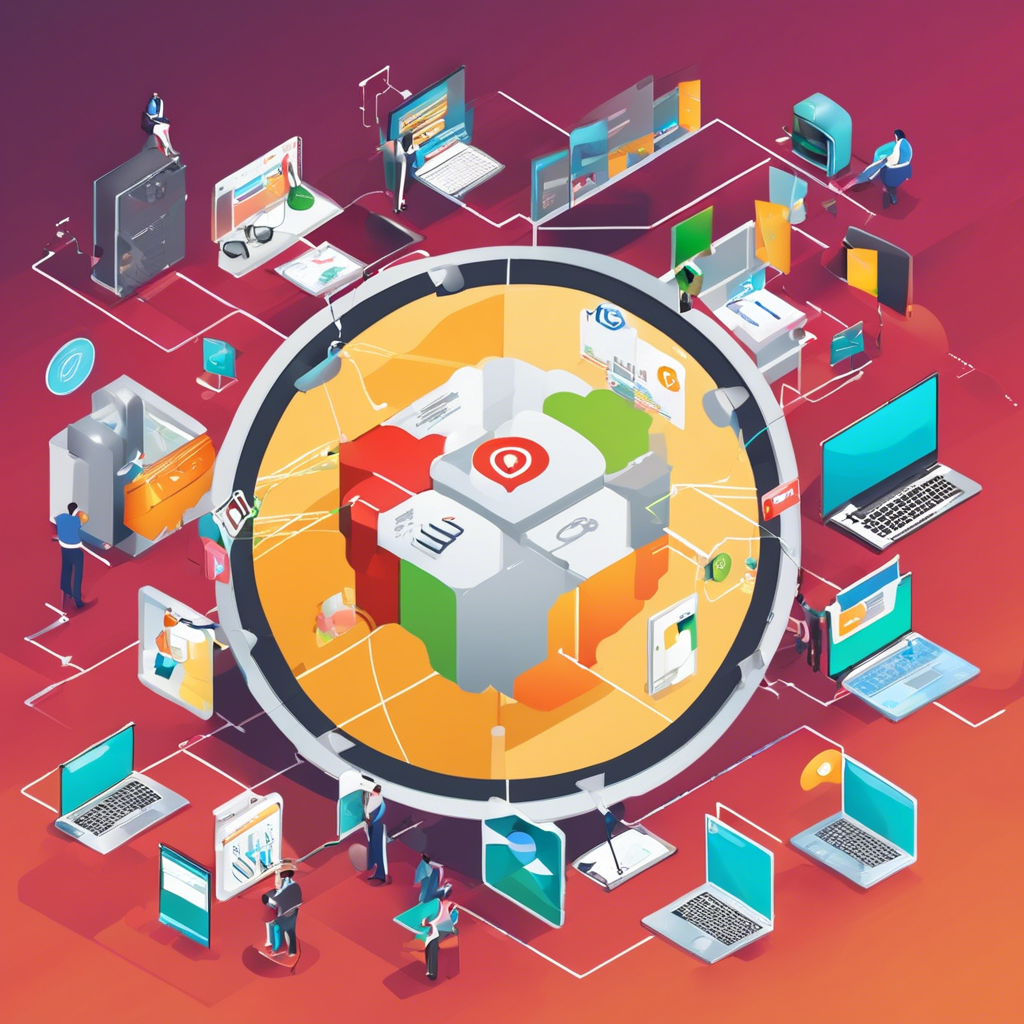
Endpoint management software plays a crucial role in modern businesses by providing a centralized solution for managing and securing all endpoints within an organization. These endpoints can include desktops, laptops, mobile devices, and servers, making endpoint management software a vital tool for IT teams to ensure the efficient operation and security of these devices. With the increasing complexity of IT environments and the rise of remote work, the need for robust endpoint management solutions has become more pressing than ever.
One of the key benefits of endpoint management software is its ability to streamline IT operations by automating routine tasks such as software updates, patch management, and security configurations across all endpoints. This automation not only saves time and resources for IT teams but also helps ensure that all devices are consistently up to date and protected against security threats. Additionally, endpoint management software provides a centralized dashboard for monitoring the health and performance of endpoints, allowing IT teams to quickly identify and address any issues that may arise.
Security is a top priority for organizations of all sizes, and endpoint management software plays a critical role in maintaining a strong security posture. By enforcing security policies, conducting regular vulnerability assessments, and implementing endpoint encryption, organizations can mitigate the risk of data breaches and cyber attacks. Endpoint management software also enables IT teams to remotely wipe data from lost or stolen devices, ensuring that sensitive information does not fall into the wrong hands.
In today’s digital landscape, the rise of remote work has presented new challenges for IT teams tasked with managing and securing a dispersed workforce. Endpoint management software offers remote management capabilities that allow IT teams to monitor and troubleshoot endpoints regardless of their physical location. This remote access not only improves IT efficiency but also enhances the user experience by providing timely support and troubleshooting for remote employees.
The scalability of endpoint management software is another key advantage for organizations looking to accommodate growth and changes in their IT infrastructure. Whether expanding operations to new locations, onboarding a large number of new employees, or integrating new devices into the network, endpoint management software can scale to meet the evolving needs of the organization. This scalability ensures that IT teams can effectively manage endpoints across the entire organization without compromising performance or security.
Endpoint management software also plays a crucial role in compliance efforts, helping organizations meet industry regulations and data protection standards. By providing detailed reports on endpoint security and compliance status, organizations can demonstrate adherence to regulatory requirements and proactively address any areas of non-compliance. This not only helps organizations avoid costly fines and penalties but also builds trust with customers and partners who rely on the organization to protect their data.
In addition to security and compliance benefits, endpoint management software can improve the overall efficiency and productivity of an organization. By automating routine IT tasks, reducing downtime through proactive monitoring, and providing remote troubleshooting capabilities, endpoint management software empowers IT teams to focus on strategic initiatives that drive business growth. This improved efficiency translates to cost savings and a competitive edge in today’s fast-paced business environment.
The user experience is another important consideration when evaluating endpoint management software. A user-friendly interface, intuitive navigation, and customizable dashboards can enhance the usability of the software and make it easier for IT teams to manage and monitor endpoints effectively. Training and support resources provided by the software vendor can also contribute to a positive user experience, ensuring that IT teams can maximize the value of the software.
Integration capabilities are essential for organizations with existing IT systems and tools that need to work seamlessly with endpoint management software. Compatibility with popular operating systems, cloud services, and third-party applications ensures that organizations can leverage their existing investments and maintain a cohesive IT environment. API integrations and customization options further enhance the flexibility and interoperability of endpoint management software, allowing organizations to tailor the software to their specific needs and workflows.
In conclusion, endpoint management software plays a vital role in modern IT operations by providing a centralized solution for managing and securing endpoints across an organization. From automating routine tasks and enhancing security to improving efficiency and scalability, endpoint management software offers a wide range of benefits for organizations of all sizes. By investing in a robust endpoint management solution, organizations can improve their IT operations, strengthen security defenses, and drive business growth in today’s dynamic digital landscape.