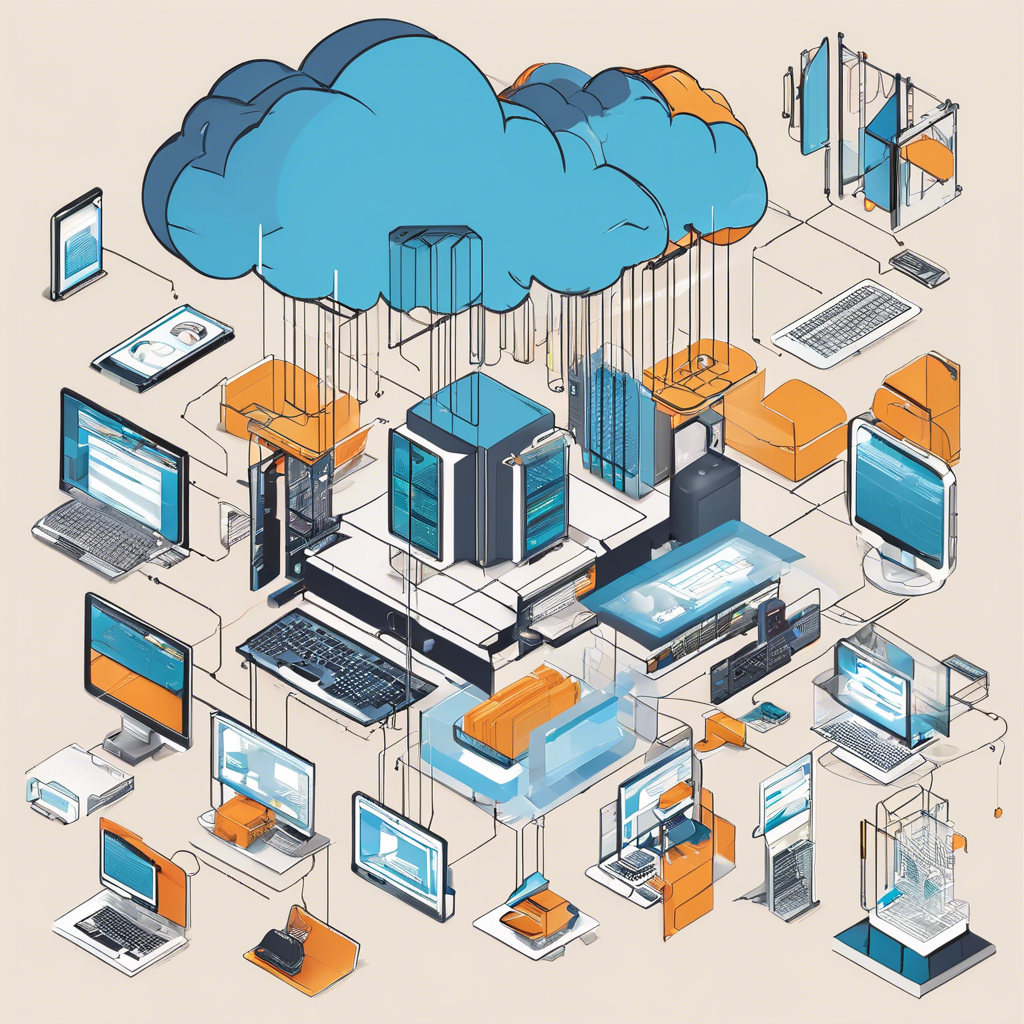
Cloud computing solutions have revolutionized the way businesses and individuals store, manage, and access data. In today’s digital age, the reliance on cloud computing has become increasingly prevalent as organizations seek more efficient and cost-effective ways to handle their information technology needs. Cloud computing refers to the delivery of computing services over the internet, allowing users to access software, storage, and processing power on-demand without the need for on-site servers or infrastructure.
One of the primary advantages of cloud computing solutions is the scalability they offer to users. Businesses can easily scale their computing resources up or down based on their needs, allowing for greater flexibility and cost savings. This scalability is particularly beneficial for organizations with fluctuating workloads or seasonal demands, as they can adjust their resources accordingly without significant investments in hardware or equipment.
Security is a top priority for businesses when it comes to storing data and sensitive information. Cloud computing solutions provide advanced security measures to protect data from cyber threats and unauthorized access. Cloud service providers implement encryption, firewalls, and multi-factor authentication to safeguard data stored on their platforms, giving users peace of mind knowing their information is secure.
Another key benefit of cloud computing solutions is the accessibility they offer to users. With cloud-based services, individuals and businesses can access their data and applications from any location with an internet connection. This flexibility enables remote work, collaboration among team members, and seamless access to information on various devices, enhancing productivity and efficiency.
Cost-effectiveness is a significant driver behind the adoption of cloud computing solutions. By utilizing cloud services, businesses can reduce capital expenses associated with purchasing and maintaining physical servers and infrastructure. Instead, they pay for the resources they use on a subscription basis, resulting in lower operational costs and predictable budgeting for IT expenses.
The cloud computing market is vast and diverse, with a wide range of service providers offering different solutions to meet the unique needs of their clients. From public cloud services like Amazon Web Services (AWS) and Microsoft Azure to private cloud options and hybrid cloud environments, businesses have various choices to select the best fit for their requirements. This variety allows organizations to tailor their cloud computing strategies to align with their goals and objectives.
Scalability, security, accessibility, and cost-effectiveness are just a few of the many benefits of cloud computing solutions. As technology continues to evolve, the capabilities of cloud computing are expanding, with the introduction of new features such as artificial intelligence, machine learning, and big data analytics integrated into cloud platforms. These advancements enable businesses to leverage cutting-edge technologies without the need for extensive in-house resources.
Cloud computing solutions have also played a crucial role in disaster recovery and business continuity planning. By storing data and applications in the cloud, organizations can ensure quick recovery in the event of a system failure, natural disaster, or cyber attack. Cloud-based backups and redundancy measures help mitigate risks and minimize downtime, allowing businesses to resume operations swiftly and minimize disruptions.
The adoption of cloud computing solutions is not limited to large corporations; small and medium-sized enterprises (SMEs) are also leveraging cloud services to enhance their operations. Cloud computing levels the playing field for SMEs by providing access to enterprise-level technology and resources at affordable rates. This democratization of technology empowers smaller businesses to compete effectively in the digital marketplace.
In conclusion, cloud computing solutions have transformed the way businesses approach IT infrastructure and data management. With their scalability, security, accessibility, and cost-effectiveness, cloud services offer a compelling alternative to traditional on-premises solutions. As technology advances and the demand for digital innovation grows, cloud computing will continue to play a pivotal role in shaping the future of business operations and information technology.